Actually, the K20D and K200D (and previously the K10D) are just some of the hottest and most noisy DSLRs ever made on this planet. Whilst the "hot" things about the K20D have been well known to the public already (look at this, this and this if not yet learned, just in case), the K200D is yet not a "cold" camera, neither. Just first look at the following K200D user report with an example "hot" and noisy night scene photo posted:-
http://www.dchome.net/viewthread.php?tid=538771&extra=page%3D1
(Text in Traditional Chinese, use Babelfish to translate if needed)
So, at this point, some people may query that if the user had turned on the "Noise Reduction" for long time exposure, or not? Well, I can answer that he hadn't, just because I can see so many hot pixels, even in the small downsized picture he posted! But do you think if he did, what would happen? Well, look at this:-
http://forums.dpreview.com/forums/read.asp?forum=1036&message=28907535
As seen in the crop, now black dots appear instead of white dots. So, hot pixels are all now becoming cold (or totally dark) ones after the "noise reduction". But wait, what does that long exposure noise reduction" actually do? In fact, it is just a dark frame subtraction - the camera takes another frame with shutter closed with the same amount of exposure time and then the dark frame is subtracted from the original one.
The problem? Subtracting two hot and bright pixels at the same position will just give totally dark pixels, as shown in the above lightning picture. These will become very visible once the background of the picture is not dark enough. In fact, a noisy camera (which has a noisy sensor) with such a NR choice will only give the user one of the following two outcomes: hot pixels that appear bright OR dark pixels in picture, for those longer time exposure shots. Of course, depending on the scene compositions, both can be visible or not that noticeable, just by chance. Worse thng can even happen if (the positions of) the hot pixels in the dark frame are not exactly the same as the original shot, just imagine! (But that's possible!)
Yet, for K200D users, they may be just a bit more "fortunate" than those K20D users as they *still* have the option to turn off the long time NR - at least not to waste an equal amount of lengthy time exposure for just taking the second "dark frame".
All in all, the real solution to this noise problem which appear during long time exposure could by no means be resolved just by the "dark frame subtraction" "technique".
But still, there is one *trick* that those camera makers are doing, it is the pixel (re-)mapping.
Pixel (re-)mapping is just a little trick to hide those dead or hot pixels. Primitively, this is a "technique" (for the manufacturers, but actually just *trick*) to hide all those dead pixels in the sensor which are existent because of manufacturing (process) imperfection and production defects (yield rate far from 100%). Those "unwanted" pixels which the manufacturer does not want the user to see are hidden. And they are disabled such that they will have NO function. Their pixel values are then inserted by the interpolated value derived from the neighbourhood pixel values, for each dead/hot pixel as marked.
The K20D has such a really "special" built-in custom function for letting the user to do the pixel-mapping by themselves, marking more dead and hot pixels as they (continue to) appear and update and store the dead pixel table. But as pointed out by the technical reviewers who had an early review on different production K20D units, the most terrible thing is that there is no resetting function made available for the user. So, when more and more hot pixels appear, the worst scenario is that *eventually* all the pixels in the whole sensor can be ruled out!
After all the above discussions, the conclusion we can draw up about is that the primitive solution to the noisy night scene pictures is only an less noisy sensor/imager by itself. This would be a hardware performance issue then, which, could by no means to be resolved by any *software* means - the reality.
Now, we have seen that the *only* way to go is to solve the problem is merely to improve the sensor noise performance, which just means that a larger photo site per pixel for receiving more light energy (e.g., Full Frame sensors) and better heat sink and drain are essential. All these are hardware improvement, particularly about the core technologies in making the sensor, instead of any software which can do no more magics.
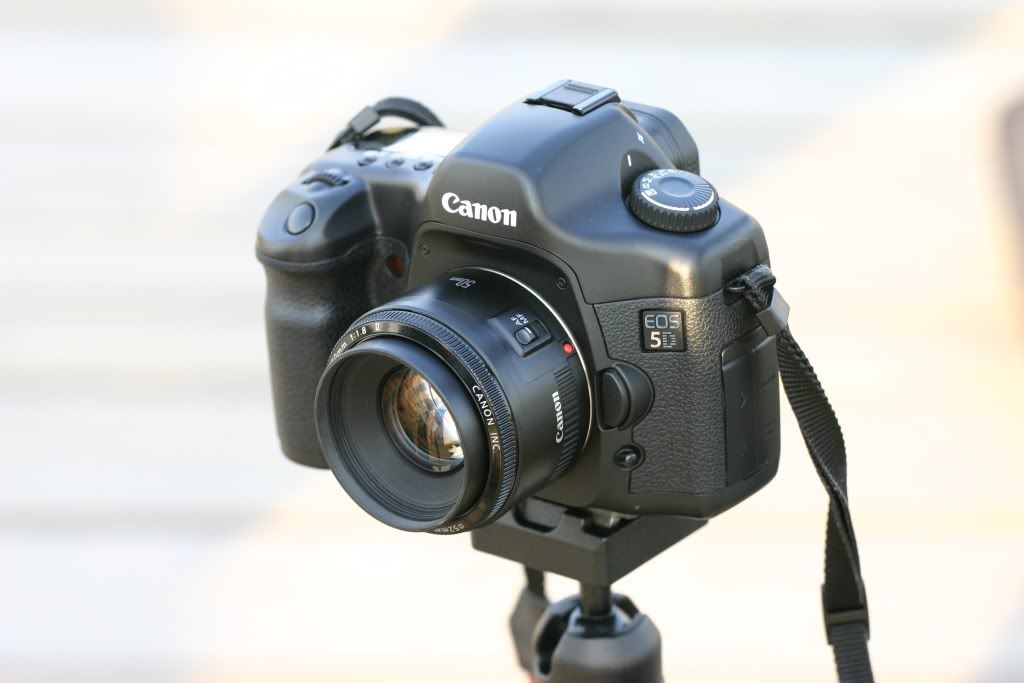
In fact, I have not yet seen my Full Frame Canon 5D had any visible problem shown so far for long time exposure and of course no those similar troubles as reported by those K20 and K200 users in taking my night scene pictures, here is an example by me, taken in early 2008:-

And, if I have to use a DSLR like the K20D to take "real-time" night photography like the fireworks above, then it must be a big joke to me for having to wait another 10 seconds after I have just taken an 10 second shot and let those subsequent photo opportunities that may come to elapse during the waiting period! (not even to count the total delay as incurred in the additional processing time plus the final writing time to card). Well, remember, there is no way and *any* option for the K20D user to turn off the dark frame subtraction for this Pentax "flagship" DSLR!
Whilst many K20D users have been petiting for an firmware update for opening up the option of disabling the dark frame subtraction in their camera (do a quick search like this at large Pentax forums will return many of these and alike), I don't think Pentax/Hoya needed to do something particularly differently if they had the choice to do so. Afterall, it should be remembered that almost all DSLRs have the disabling option for the dark frame subtraction, even the K200D, why let alone for that "special arrangement" of the K20D? So, just go figure why. Indeed, the reason behind is trivial. Actually, Uncle Phil and his crew have already told us their findings, why we don't believe them?
Frankly, this very hot sensor issue (with considerably more typical background noise too (not just for long exposure) as found) of the K20D/GX-20 is really the first thing with the highest priority and upmost urgency which Samsung and Pentax/Hoya needed to tackle. Otherwise, they will have NO CHANCE to SUCCEED, but just FAILURE would result, I dare to say.
I really hope that the next generation of sensor used in the upcoming Pentax DSLRs can get rid of all those inferior sensor hardware weaknesses. If Samsung is still unable to make a better sensor, why Pentax not to source other better ones? At least Sony are still selling them sensors, aren't they? Of course, full frame is the utimate solution, why not trying to catch up faster in the game? Still, if Pentax and Samsung could really do no Full Frame, why not lower the sensor resolution, say, at 12MP, so that a better sensor should be made at the first place, for what they might to be able to do now, for a smaller sized APS-C sized sensor? My 6MP Pentax DSLRs used to have better noise performance, why so greedy even not capable?
Finally, an old example shot of mine with my old K100D is shown below:-
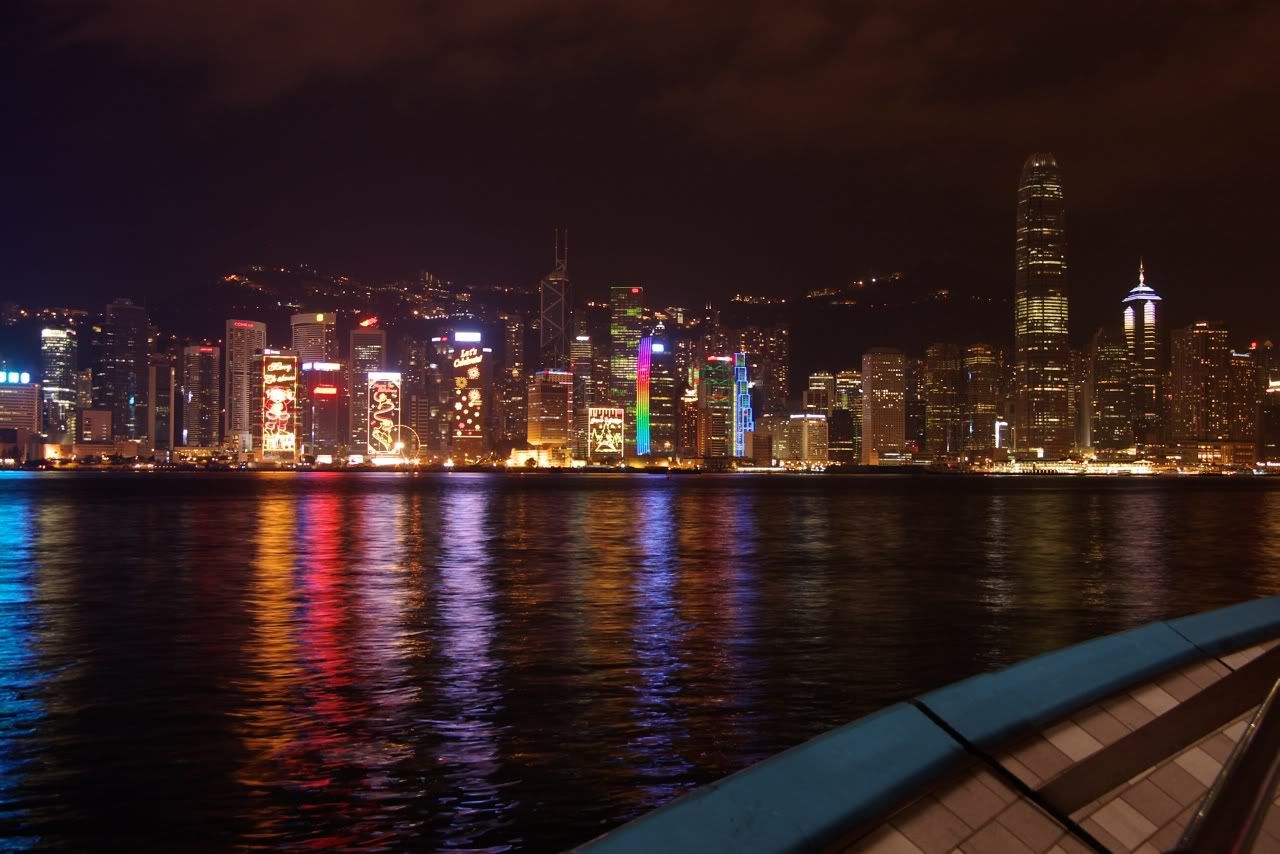
Anyway, the SAFOX VIII system performed very poorer for its (in)accuracy for shooting similar scenes. In fact, only the central AF point is marginally usable and all other 10 points of the SAFOX often yielded OOF photos (but then more re-composition actions are required as such). The photo below was taken using the AF:-

(With Auto Focus by SAFOX VIII)
After I noticed the AF error (despite the AF system told me that it was in-focus), I switched back to MF and use the somehow smaller viewfinder of my K100D to judge the "correct" focus:-
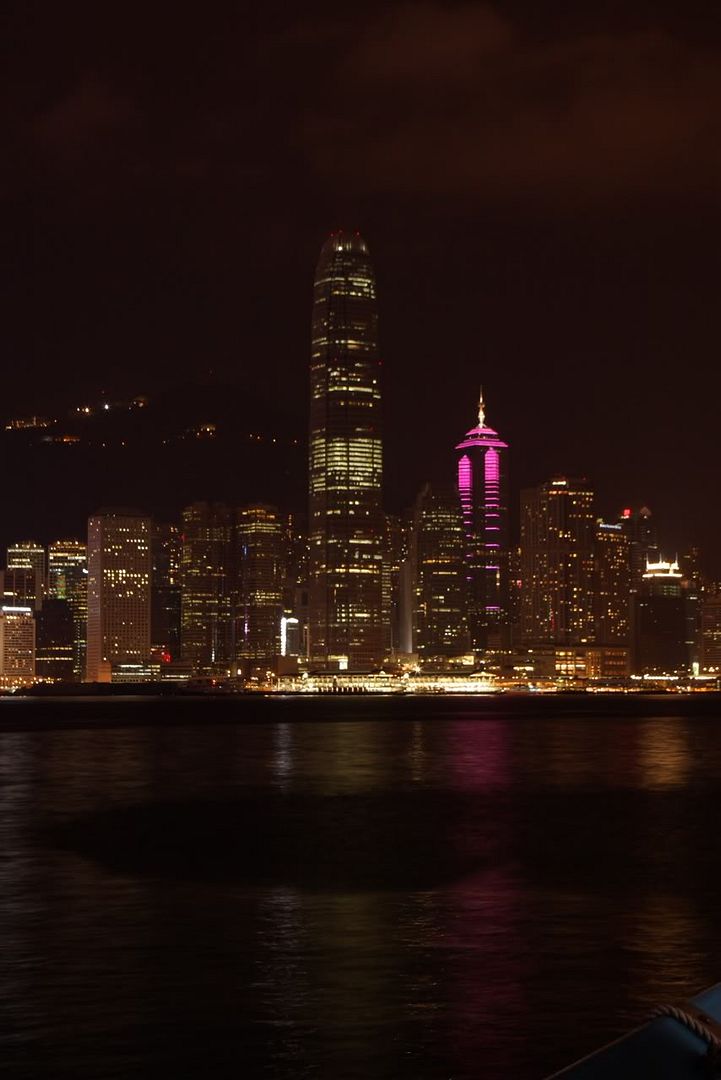
(With Manual Focus)
As an old man and Pentaxian, I have to say Pentax SAFOX VII and VI (in my MZ-S and MZ-30 respectively) both did a much better job for the same situation - the saddest thing there! :-(